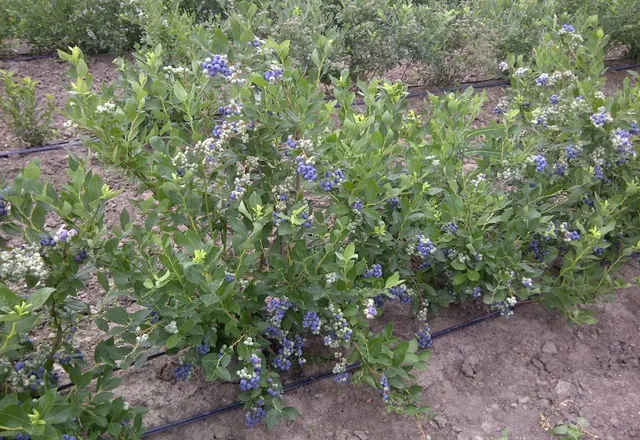
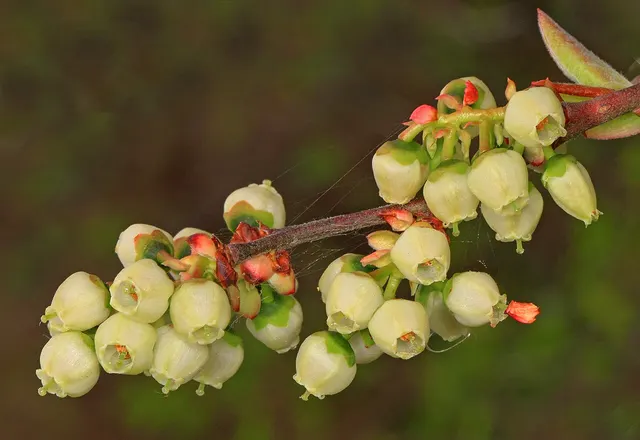
Northern highbush
Duke
An earlier harvest
- USDA zones
- 4–7
- Height
- 4-6 ft
The blueberry field guide
Find a blueberry that fits your garden. Compare growing needs, harvest timing and the details that matter.
Explore the varieties New to blueberries? Start here.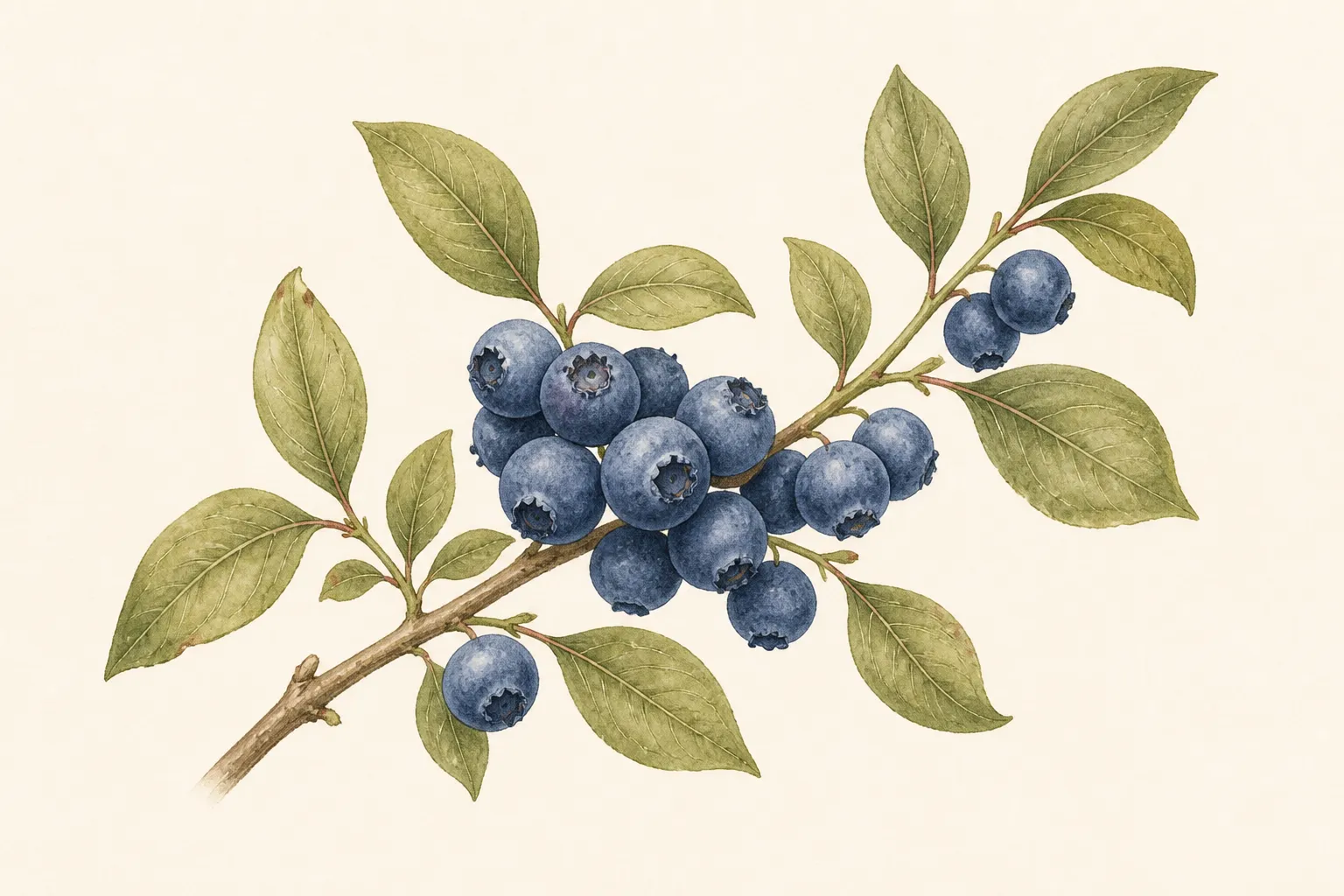
Begin with your garden
The cultivar collection
From a two-foot patio plant to a full-size garden shrub. Find your fit, then read the details.
An earlier harvest
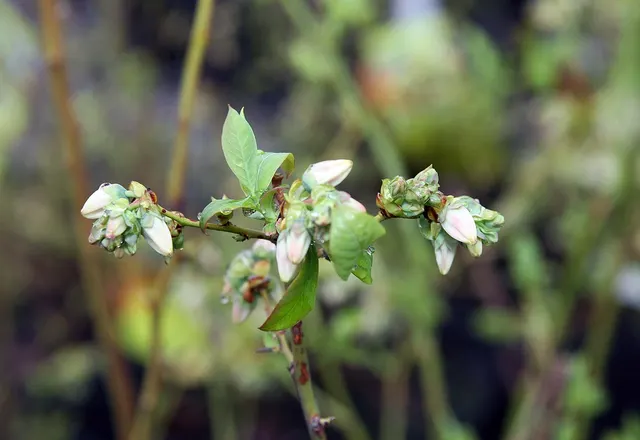
A midseason staple
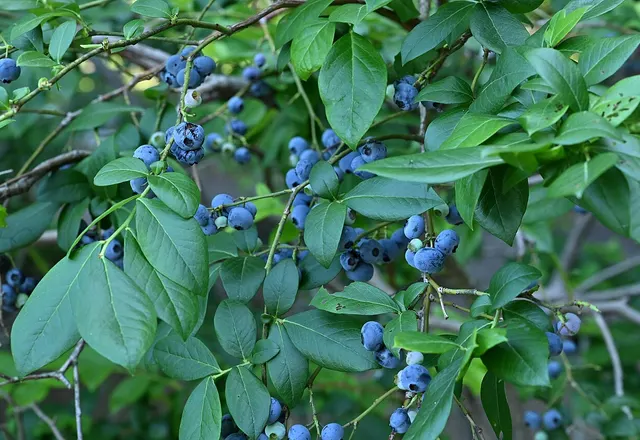
Extra-large berries
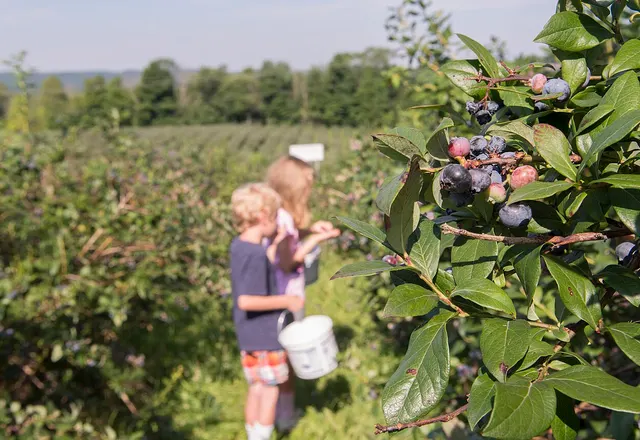
A later-season option
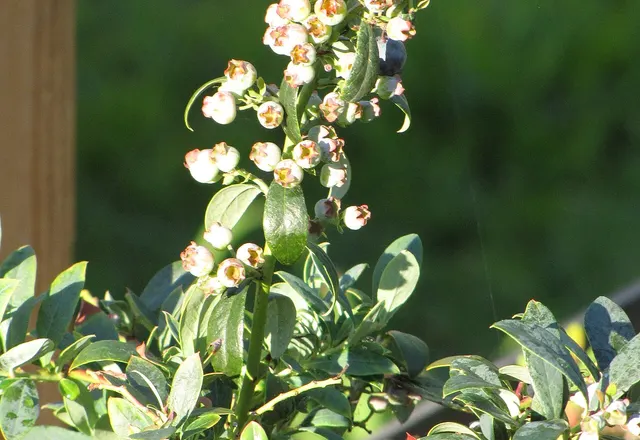
A compact container option
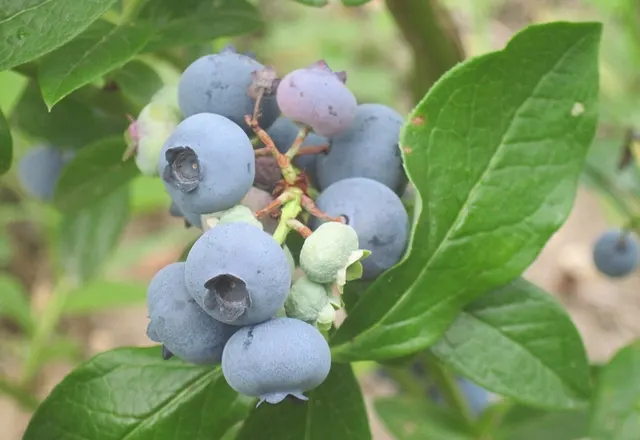
Cold-climate, early fruit
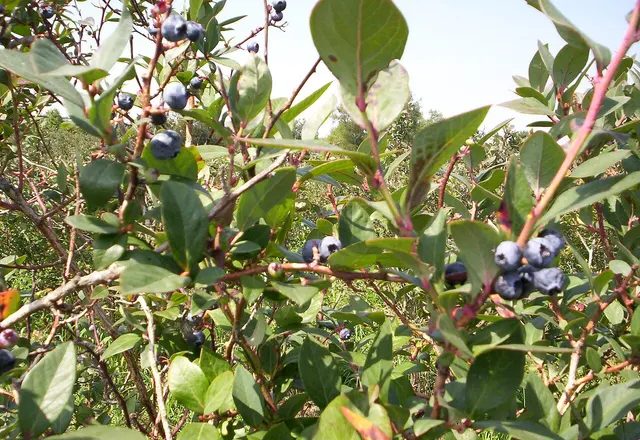
Large fruit, upright growth
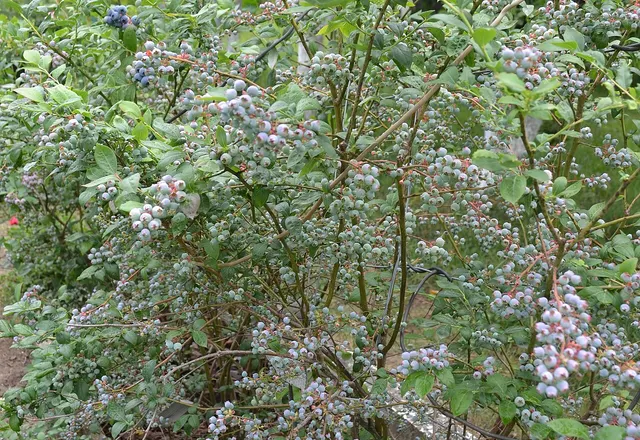
Give it room to grow
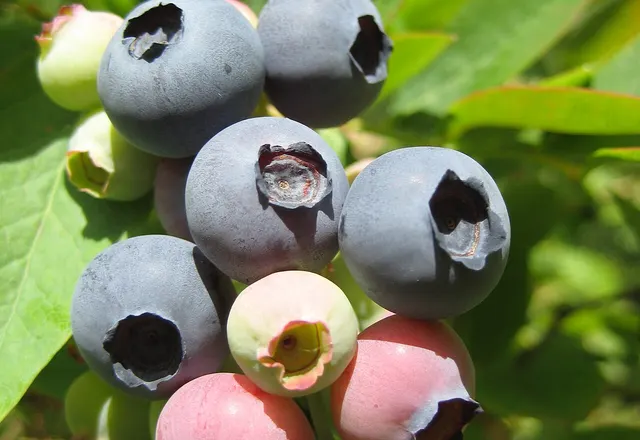
A later picking window
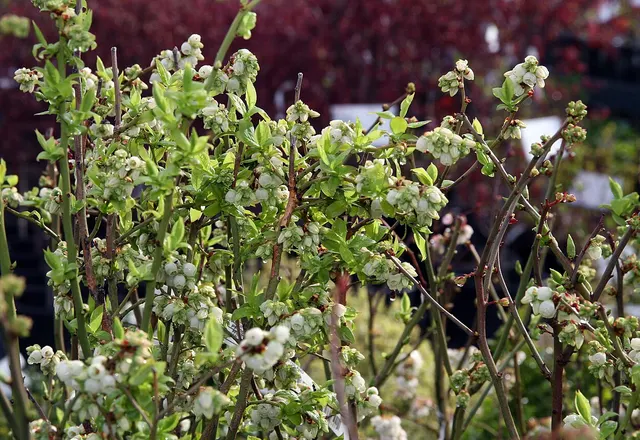
Cold hardy, manageable size
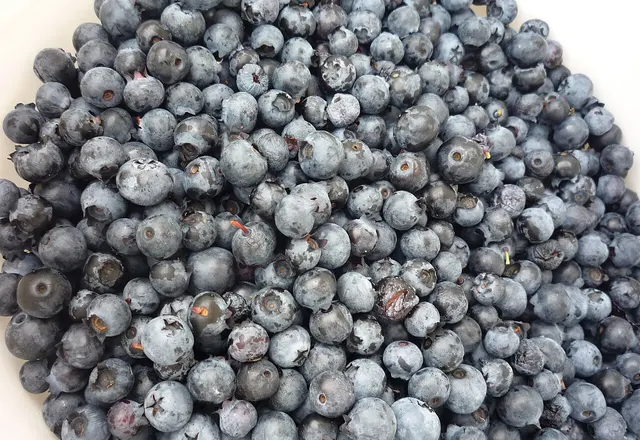
A low-growing northern choice
Small bush, smaller berries
The smallest footprint
Low chill, taller growth
Large fruit for milder winters
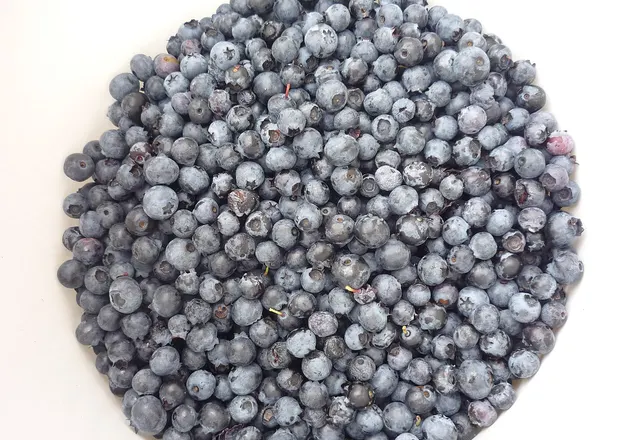
Fruit and seasonal foliage
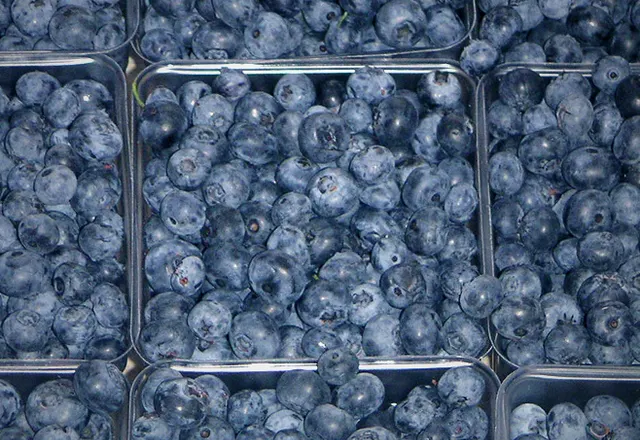
Plan for a pollenizer
A different kind of blueberry
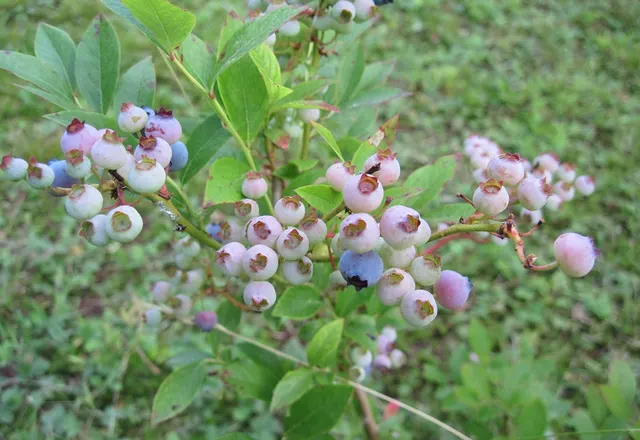
Small berries, full-size bush
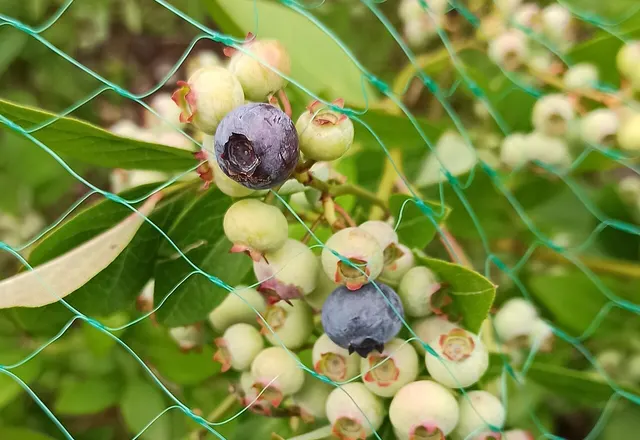
A concentrated picking window
Try fewer filters. The catalogue is a curated selection, not every blueberry cultivar.
Zones and mature sizes are supplier estimates, not a planting guarantee. Harvest timing is regional. “Not verified” does not mean unsuitable.
Notes from the garden
Better fruit set
Understand self-fertility, bloom overlap, rabbiteye pairing and the special case of Pink Lemonade before buying a second blueberry.
Growing foundations
A practical pre-plant checklist for blueberry soil acidity, drainage, testing and choosing between a garden bed and containers.
Start here
A step-by-step blueberry buying checklist covering climate, space, soil, pollination, nursery plant sizes and realistic harvest expectations.
Before you choose
A zone number is a starting point. Check winter chill, soil and drainage, and local frost conditions before ordering.
Our profiles separate nursery specifications from regional extension guidance, so you can see where each detail comes from.
How to read this guide